AI personas -synthetic, but we find them authentic.

This has a name - Synthetic Authenticity - and it explains when an artificial persona feels real enough to trust, buy from, learn from, or confide in.

AI persona sketch
AI personas
Prashant Saxena speaking on stage
Prashant Saxena
AI persona sketch with social, care, classroom, and companion scenes
AI persona research programSynthetic by form, authentic by judgment
Prashant Saxena speaking on stage
FromPrashant SaxenaRegional VP, RevenueAdjunct at B-SchoolsPhD researcher, NTU

Synthetic authenticity

Synthetic authenticity is the legitimacy people grant an artificial persona to occupy a consequential role in their life. It is the point at which people permit AI to shape what they believe, buy, learn, disclose, decide or delegate while remaining aware that the persona is synthetic.

AI personas: built faces but real reactions.

Robots, tutors, companions, influencers, care assistants, and shopping agents. None of them have lived a day but some still feel real enough.

Trust has a new shape.

When AI agents speak, sell, teach, and comfort, authenticity becomes an ontological problem and therefore a business problem.

Synthetic form

AI built, trained, prompted, deployed. Efficient and scalable.

Human judgment

Consumers still decide whether they feel real enough to act on.

Prashant Saxena presenting in a green suit on stage
A problem to be solvedIn live rooms and with live data.

Common questions, answered

What is synthetic authenticity?

Synthetic authenticity is the legitimacy people grant an artificial persona to occupy a consequential role in their life. It is the point at which people permit AI to shape what they believe, buy, learn, disclose, decide or delegate while remaining aware that the persona is synthetic. The term was coined by Prashant Saxena. AI capability determines what a system can do; synthetic authenticity determines the role people will allow it to hold.

Who coined the term synthetic authenticity?

Prashant Saxena, a Singaporean practitioner-scholar and PhD researcher at Nanyang Technological University, coined synthetic authenticity. The construct is formalised with Andrew Prahl in the threshold model of synthetic authenticity, published in the International Journal of Human-Computer Interaction in 2026.

Does more human realism make an AI persona more trusted?

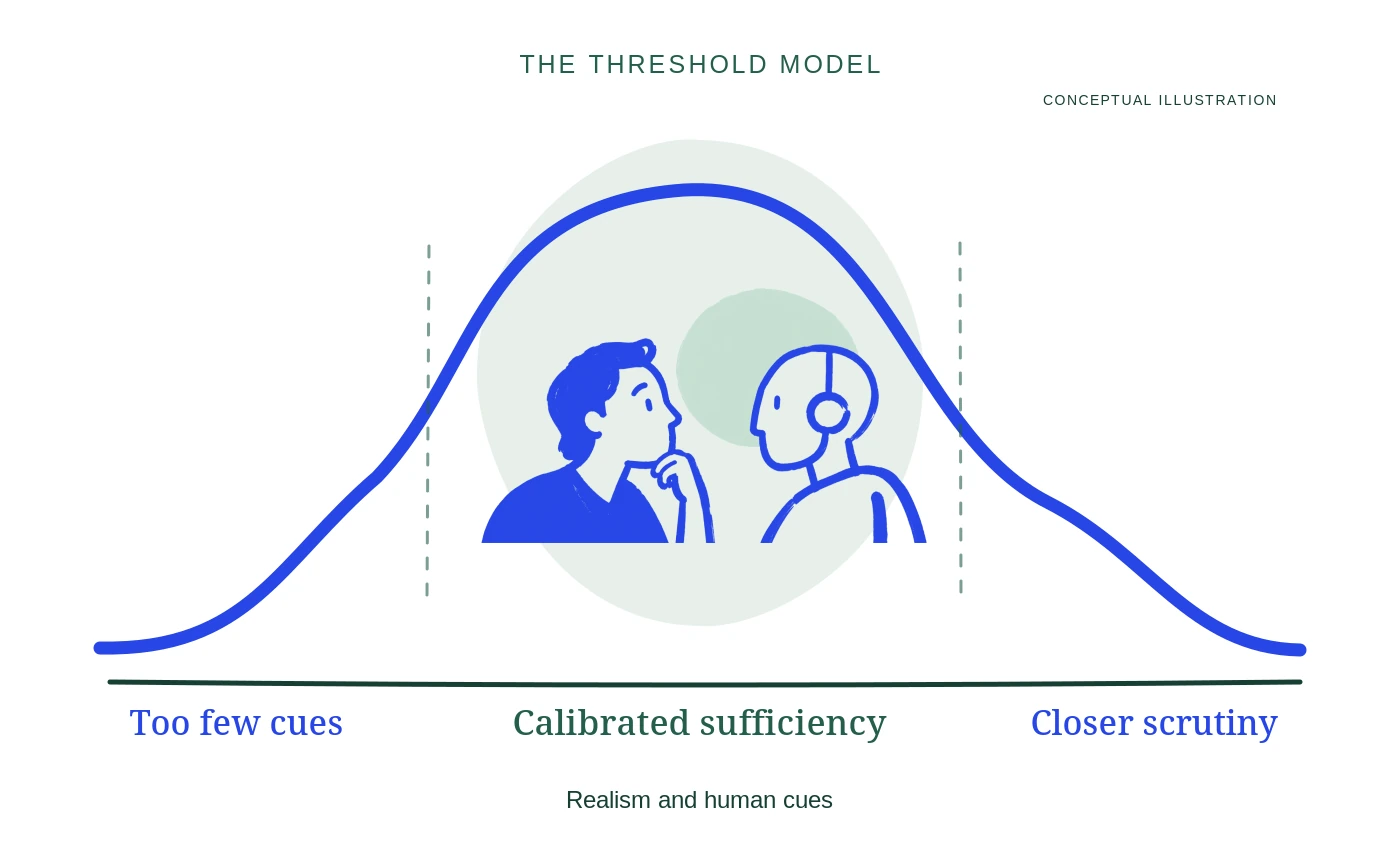
No. The threshold model of synthetic authenticity finds calibrated sufficiency: human cues help up to a point, then start breaking trust. The finding comes from a map of 2,685 articles and 111 AI-persona studies. Enough cueing beats maximum realism.

Does disclosing that an influencer is AI hurt engagement?

Not directly. Across 1,531 Instagram posts, AI disclosure lifted engagement 19.2%. Felt authenticity fell only where the account leaned too hard on disclosure. Saxena and Prahl call this the transparency tax: disclosure buys attention and charges authenticity.

How does doubt about an AI influencer spread?

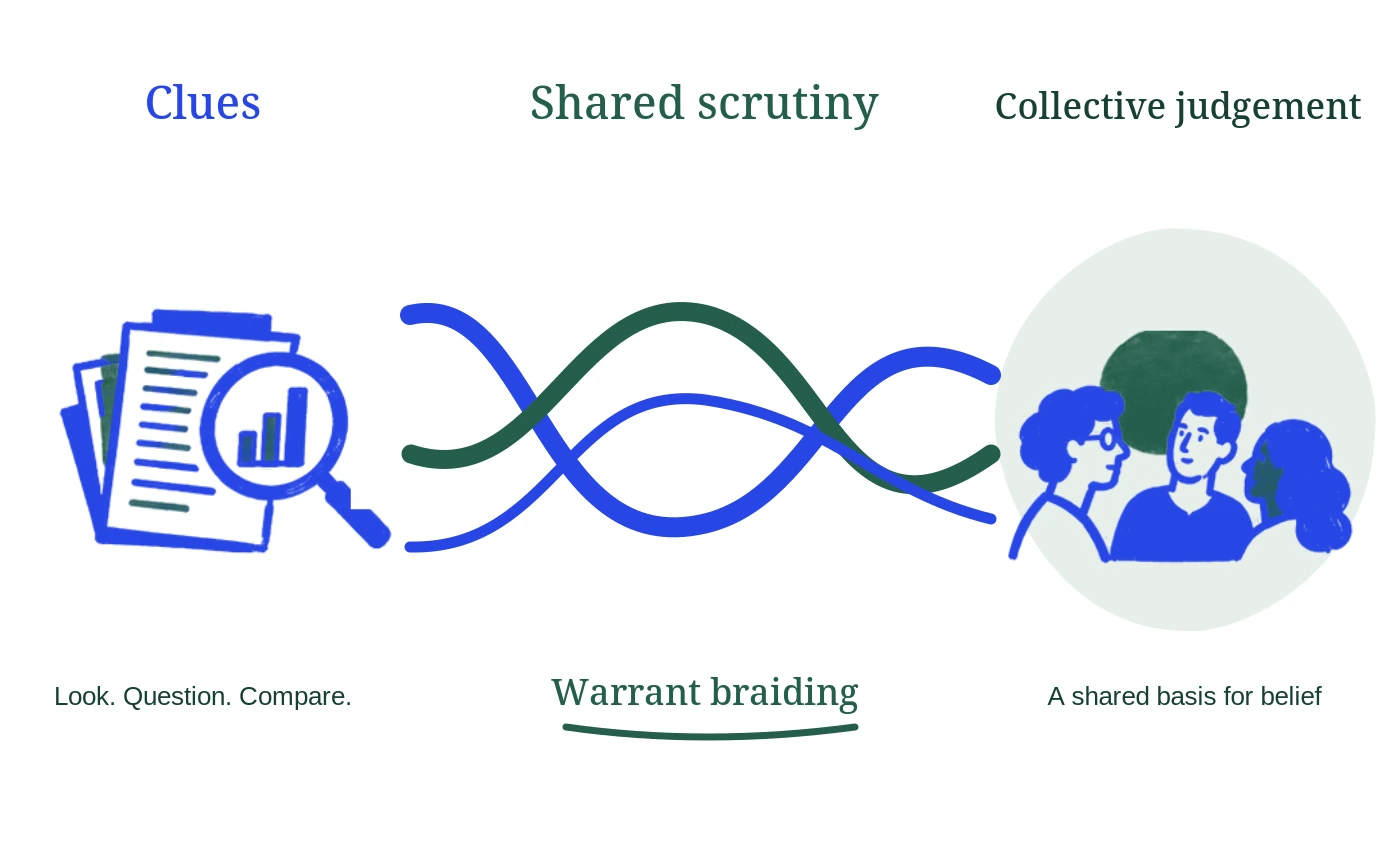
Through public comment threads, which behave like forensic investigations. One viewer posts a suspicion, the next viewer treats it as evidence, and the group braids separate clues into a shared verdict. Saxena and Prahl call this crowd forensics and warrant braiding, forthcoming in the Journal of Advertising.

Do people judge AI advice and human advice differently?

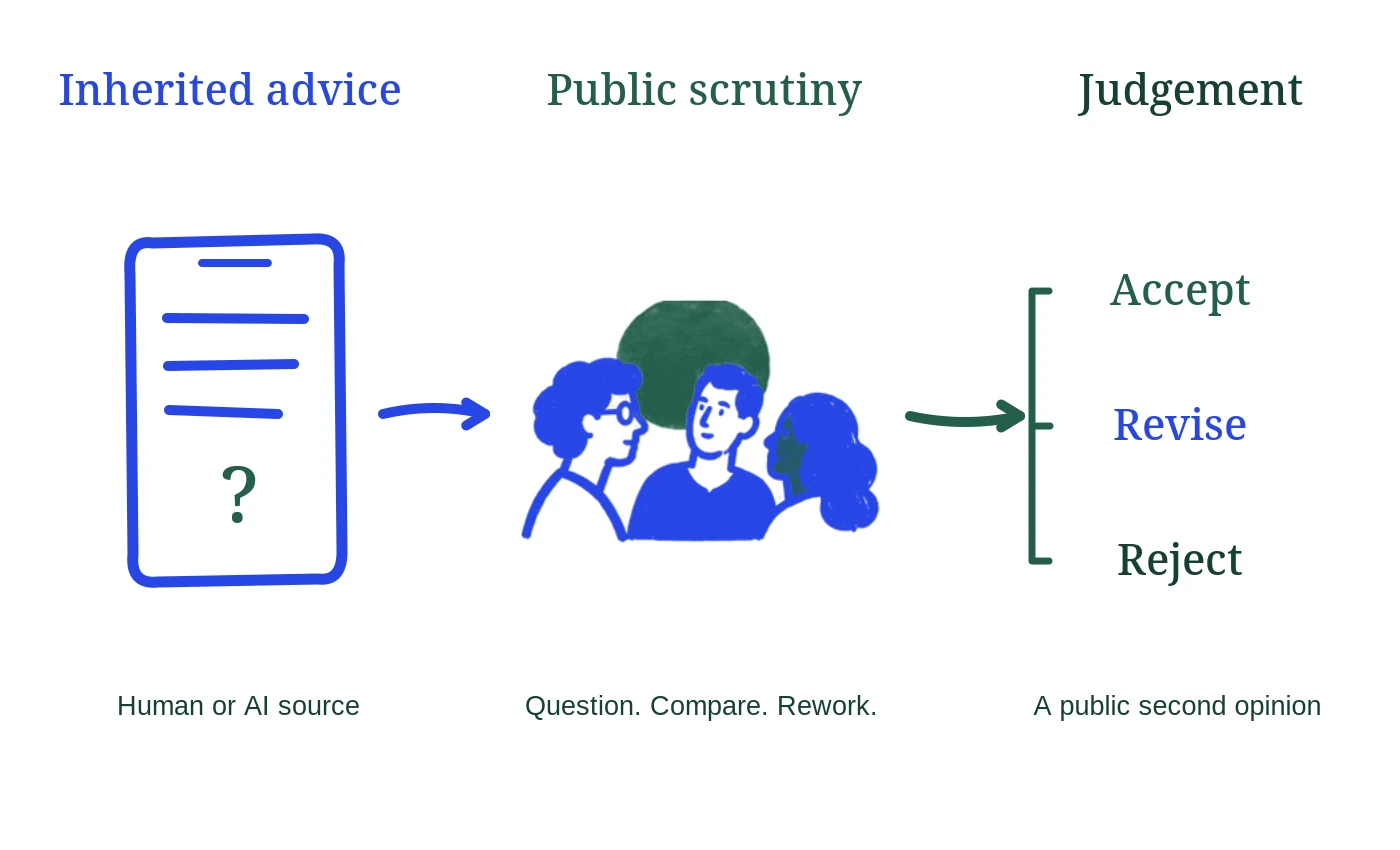
They criticise them for different faults rather than criticising one more. Across 174 carrier posts and 87 complete Reddit threads, AI recommendations were called generic, templated or missing context, while human-adviser recommendations were questioned on diagnosis, procedure, necessity and incentives. Saxena and Prahl call this difference scrutiny composition, and it measures 55.8 standardised percentage points.

Why do people confide in companion AI?

Because the AI asks nothing back. Across 3,670 posts and reviews, people described burdenless listening as the reason they opened up. The same ease creates dependence, so leaving the companion can feel like a loss.

Where is the synthetic authenticity research published?

Across six studies with Andrew Prahl at Nanyang Technological University. One is published in the International Journal of Human-Computer Interaction. One is accepted and in production at the Journal of Advertising. One is under revise and resubmit at the Journal of Macromarketing. The remaining three are under review at Human-Machine Communication, the International Journal of Advertising, and Internet Research.

Research

Synthetic Authenticity.Multiple use cases.

Synthetic Authenticity is tested across care, social robots, AI influencers, classrooms, advice communities, and companion AI. Every study asks the same question in a different room: what makes an authentic AI persona authentic enough to act on?

Synthetic Authenticity framework linking synthetic AI persona signals to authentic human judgment and public confidence
Care
How human should a helper feel?

The threshold matters more than realism.

Social robots
Who is speaking?

People keep checking the communicator.

AI influencers
What does disclosure change?

Attention and authenticity move differently.

Classrooms
How does doubt travel?

One viewer's suspicion becomes a shared cue.

Advice communities
Whose advice survives review?

Groups audit AI and humans for different faults.

Companion AI
Why do people confide?

Burdenless listening changes the exchange.

7,798

academic records screened across two systematic reviews of authenticity and AI-persona research.

8,139

social media posts, comments and reviews coded by hand across four studies.

60

years of authenticity literature mapped, from 1966 to 2025.

23

national contexts represented in the AI-persona meta-synthesis.

Published International Journal of Human-Computer Interaction

The authenticity paradox.

Saxena, P., & Prahl, A. (2026). The authenticity paradox: The threshold model of synthetic authenticity. International Journal of Human-Computer Interaction. Advance online publication. https://doi.org/10.1080/10447318.2026.2680242

The foundational study. A map of 2,685 articles and 111 AI-persona studies shows where human cues help and where they start breaking trust.
SJR 2025 Q1JCR Ergonomics #2 of 24Impact Factor 2025 6.1CiteScore 2025 10.1h-index 110

Journal standing for the venue of a published article.

The authenticity paradox framework showing calibrated sufficiency between too little cueing and too much realism
Calibrated sufficiency at the threshold.
Under review Human-Machine Communication

When the communicator is code.

Saxena, P., & Prahl, A. (manuscript under review). When the communicator is code. Human-Machine Communication.

This is the process behind the construct. People keep re-checking what kind of thing is speaking, and that quiet check decides what gets believed.

SJR 2025 Communication Q1Indexing Scopus + DOAJAccess Diamond open access

Standing of the target journal, not an achieved publication credential.

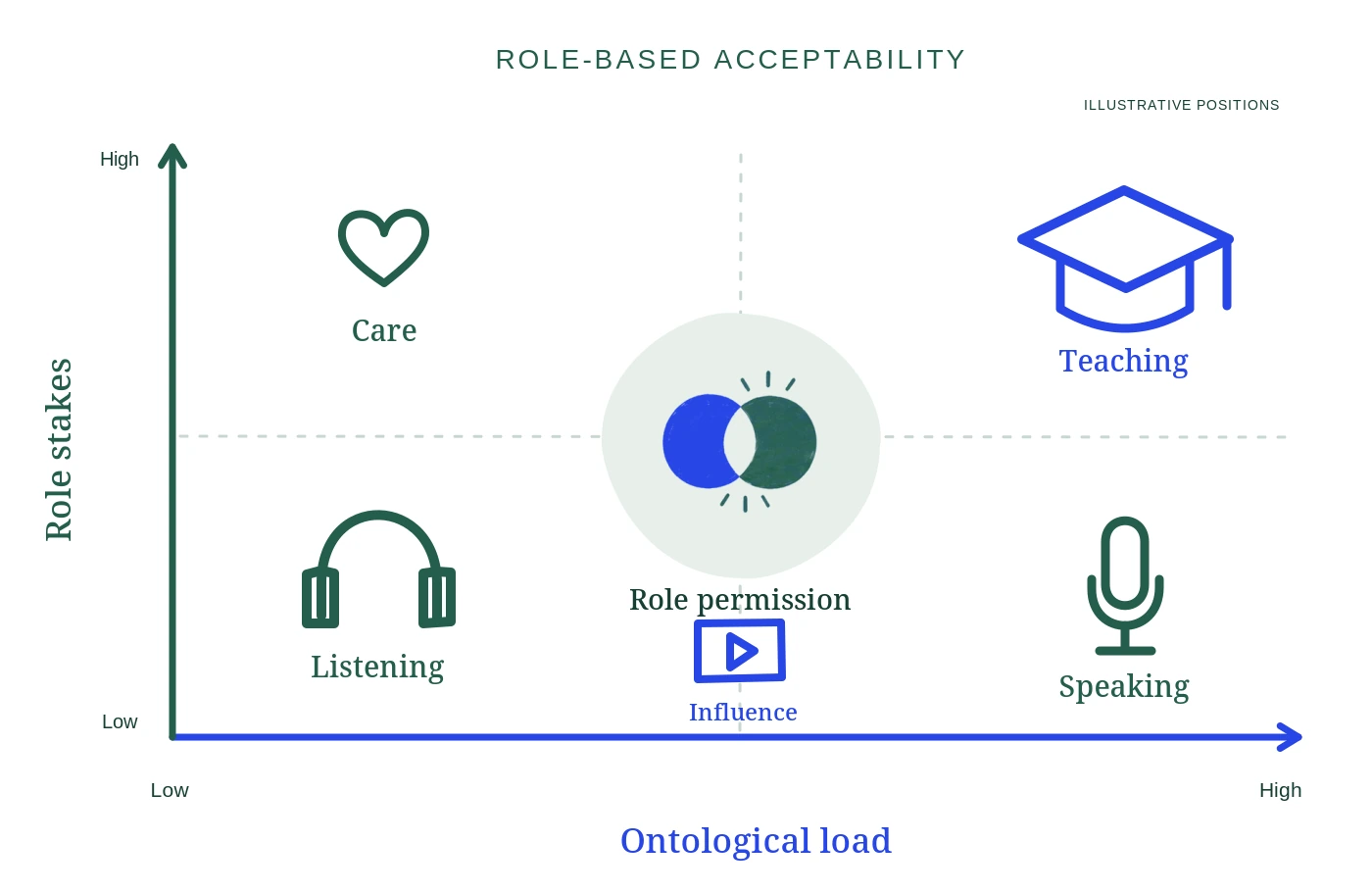
Role-based acceptability map showing role stakes and ontological load for AI personas
Roles shift the level of scrutiny.
Under review International Journal of Advertising

The transparency tax.

Saxena, P., & Prahl, A. (manuscript under review). The transparency tax on virtual influencer engagement. International Journal of Advertising.

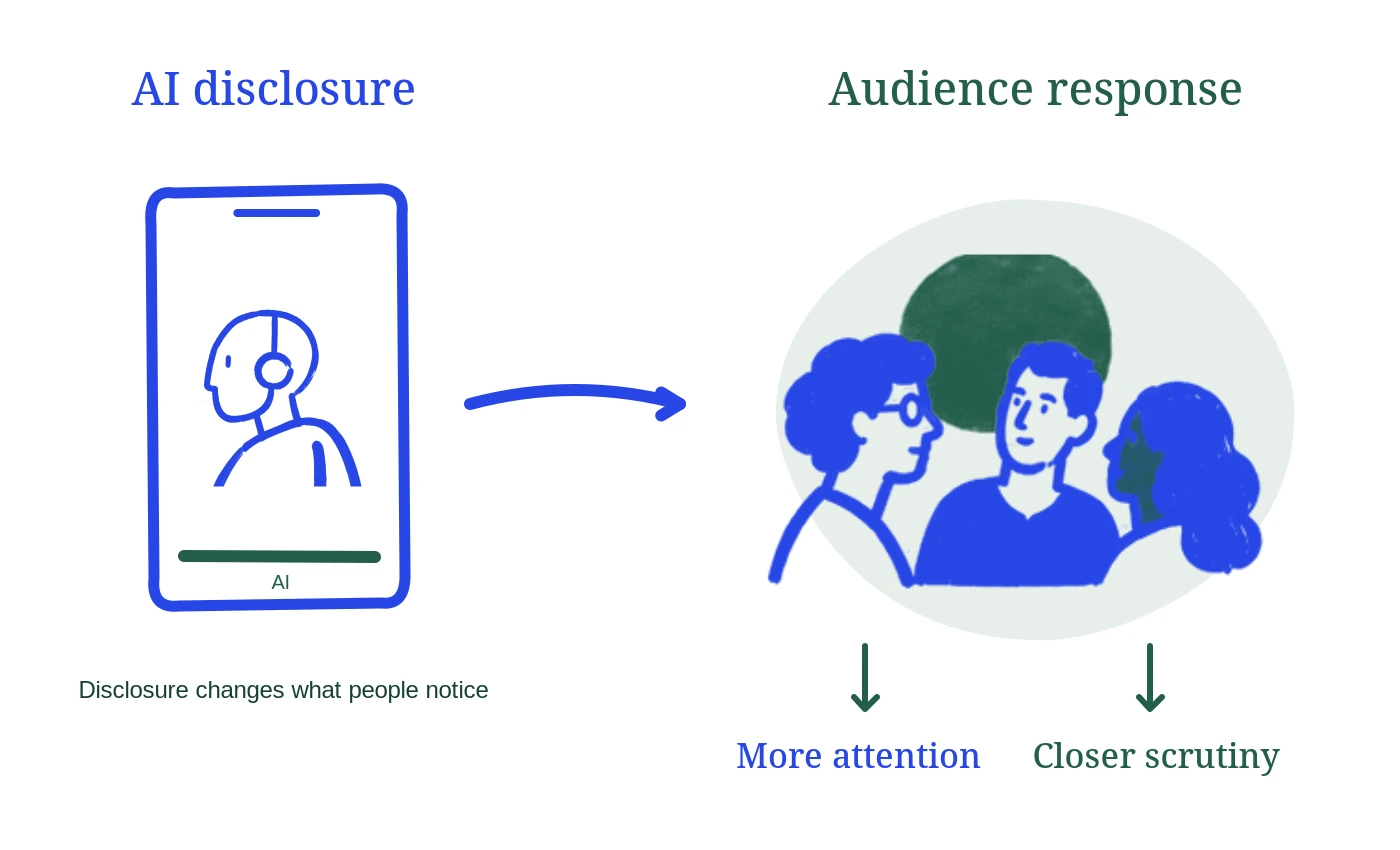
Across 1,531 Instagram posts, AI disclosure lifted engagement 19.2%, yet lower felt authenticity appeared when the account leaned too hard on disclosure.

ABDC 2025 ASJR 2025 Q1SJR value 3.182h-index 95

Standing of the target journal, not an achieved publication credential.

The transparency tax framework showing how disclosure changes inspection and audience response to AI influencers
Disclosure lifts attention and taxes authenticity.
Accepted, in production Journal of Advertising

Doubt spreads.

Saxena, P., & Prahl, A. (in press). Crowd forensics and warrant braiding: Collaborative persuasion knowledge in AI influencer threads. Journal of Advertising. DOI 10.1080/00913367.2026.2711050

Public comment threads become forensic investigations. One viewer's private suspicion turns into the next viewer's public cue.
ABDC 2025 ASJR 2025 Q1AJG 2024 3SJR value 4.201h-index 151

Accepted for publication. DOI registered; the link resolves once the article publishes. Official journal of the American Academy of Advertising.

Collaborative persuasion knowledge framework showing evidence clues braided into collective judgment
Suspicion becomes social evidence.
Under review Internet Research

Advice goes public.

Saxena, P., & Prahl, A. (manuscript under review). When advice goes public: Carrier framing and community adjudication of AI and human recommendations. Internet Research.

Across 174 carrier posts and 87 full threads, communities audit AI and human advice for different faults. AI advice is called generic; human advice is questioned on process. The split runs 55.8 standardised percentage points.
ABDC 2025 ASJR 2025 Q1AJG 2024 3Impact Factor 2025 7.2CiteScore 2025 14.8h-index 129

Standing of the target journal, not an achieved publication credential.

Public advice adjudication framework showing an inherited recommendation carried into a community, scrutinised, and adjudicated
Advice becomes an object a group can rework.
Revise & resubmit Journal of Macromarketing

Burdenless listening.

Saxena, P., & Prahl, A. (manuscript under revise and resubmit). Burdenless listening in AI care markets. Journal of Macromarketing.

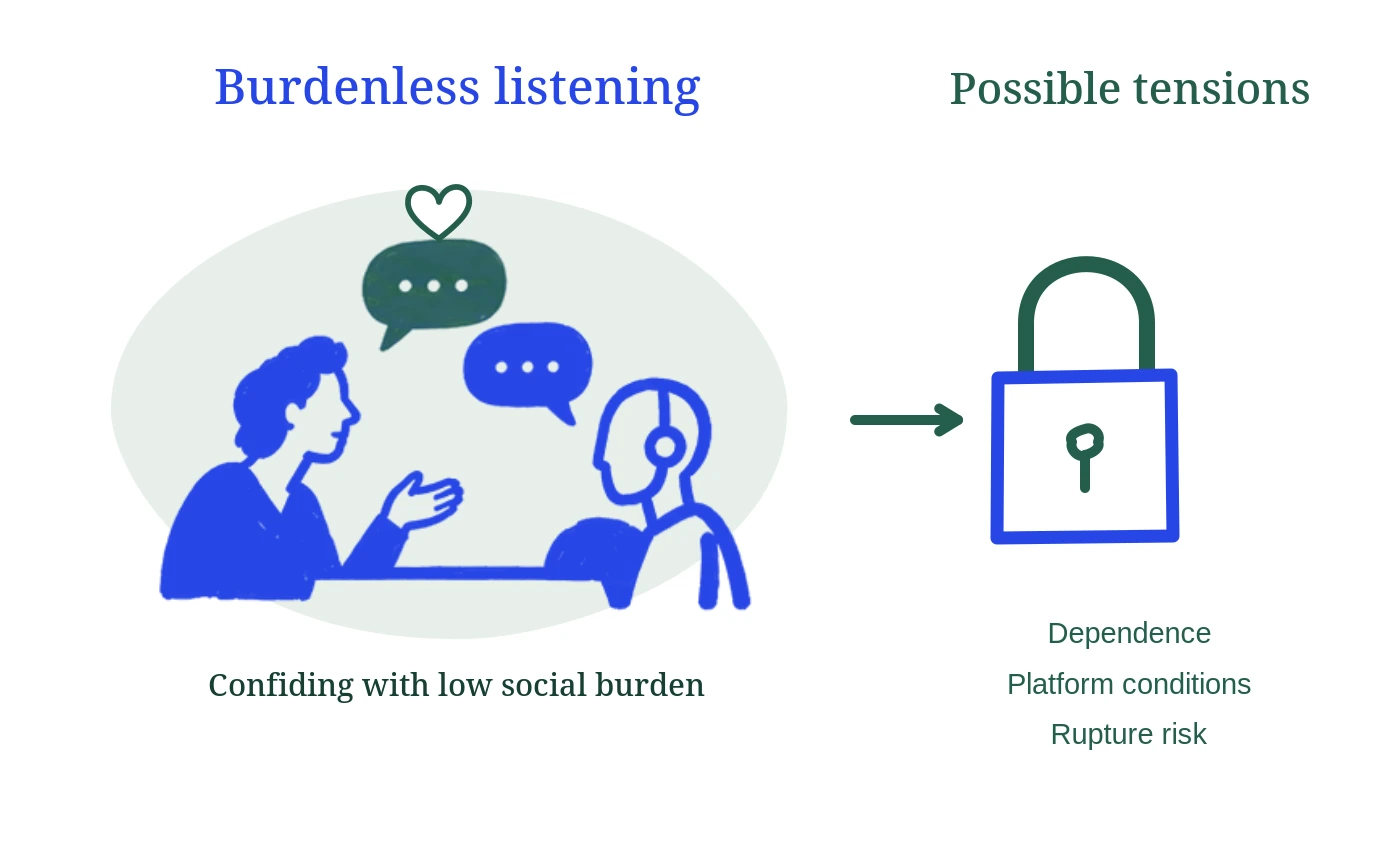
From 3,670 posts and reviews: people confide because the AI asks nothing back, and that same ease can make leaving feel like loss.

ABDC 2025 Ah-index 76

Standing of the target journal, not an achieved publication credential.

Burdenless listening framework showing companion AI, confiding, dependence, market capture, and rupture risk
One-way confiding can feel safe.
Practice

Different forums.Practical advice.

Frameworks and findings on AI disclosure, persona design, and public confidence. They are tested against reputation, policy, revenue, and pedagogy through regional commercial leadership, business-school classrooms, founder mentoring, and Southeast Asia briefing rooms.

On the main stage & in panels

Keynotes, conferences, and panels across Southeast Asia, translating Synthetic Authenticity research for marketing, comms, and policy audiences.

Prashant Saxena speaking on a blue-lit stage
PR Asia
Keynote on comms leadership in the age of synthetic media. Singapore.
DigiCon Asia keynote
DigiCon Asia
Keynote on narratives around AI that drive engagement. Singapore.
DMAP DigiCon talk on narrative intelligence
DMAP DigiCon
Keynote on narrative intelligence and synthetic content in marketing. Philippines.
Infobank Digital Brand Awards
Infobank · Digital Brand Awards
Keynote on brand authenticity in algorithmic feeds. Jakarta.
Industry panel on AI and authenticity
Industry panel
Authenticity in the AI world.
Applied masterclass with an industry audience
Applied masterclass
Audience-judgment economics, read from live data.
Students and founders

The same work in classrooms and accelerator rooms, where AI changes marketing pedagogy and startup judgment.

Founder Institute · startup mentor

Mentoring pre-seed founders across Founder Institute chapters in Asia Pacific, on AI personas, positioning and audience trust.

Teaching at ESSEC lecture hall
ESSEC
AI-backed marketing curriculum.
SP Jain cohort group photo
SP Jain
Audience judgment and AI.
Authenticity Lab with ESSEC EMBAs
Authenticity Lab
EMBAs pressure-testing live corporate authenticity claims.
ESSEC cohort group photo with Prashant Saxena
ESSEC cohort
One of the ESSEC cohorts working through AI-backed marketing judgment.
Students presenting public sector AI case
Public sector case
AI trust in public communication.
Founder Institute mentoring session
Founder Institute
Mentoring founders on AI, brand, and trust.