Synthetic form
AI built, trained, prompted, deployed. Efficient and scalable.
This has a name - Synthetic Authenticity - and it explains when an artificial persona feels real enough to trust, buy from, learn from, or confide in.
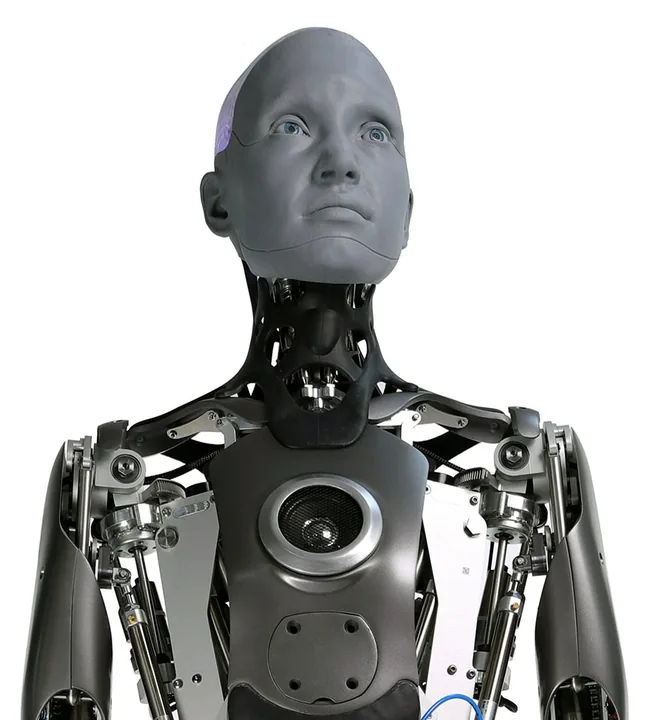
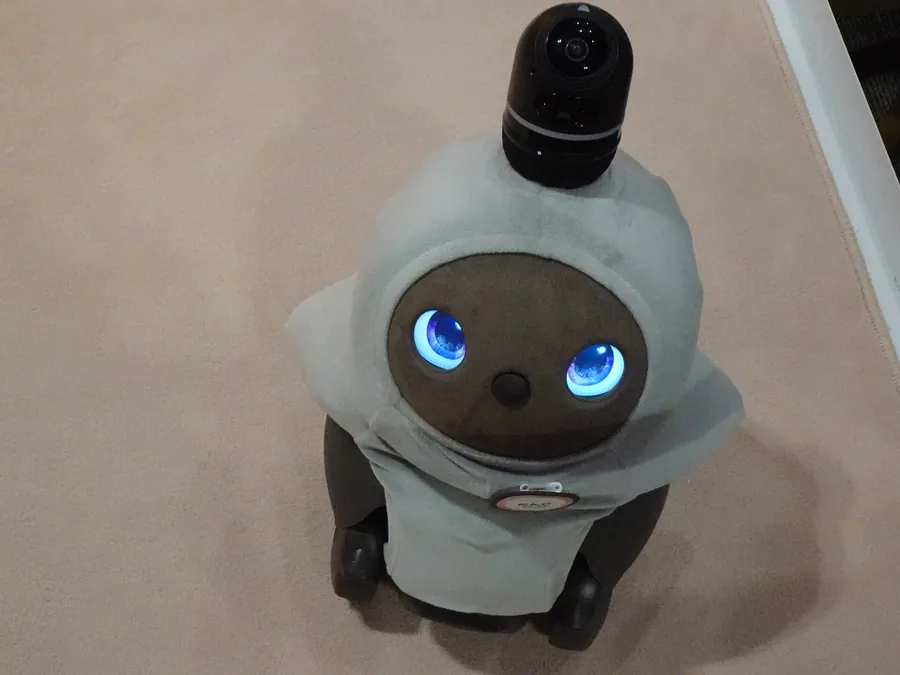
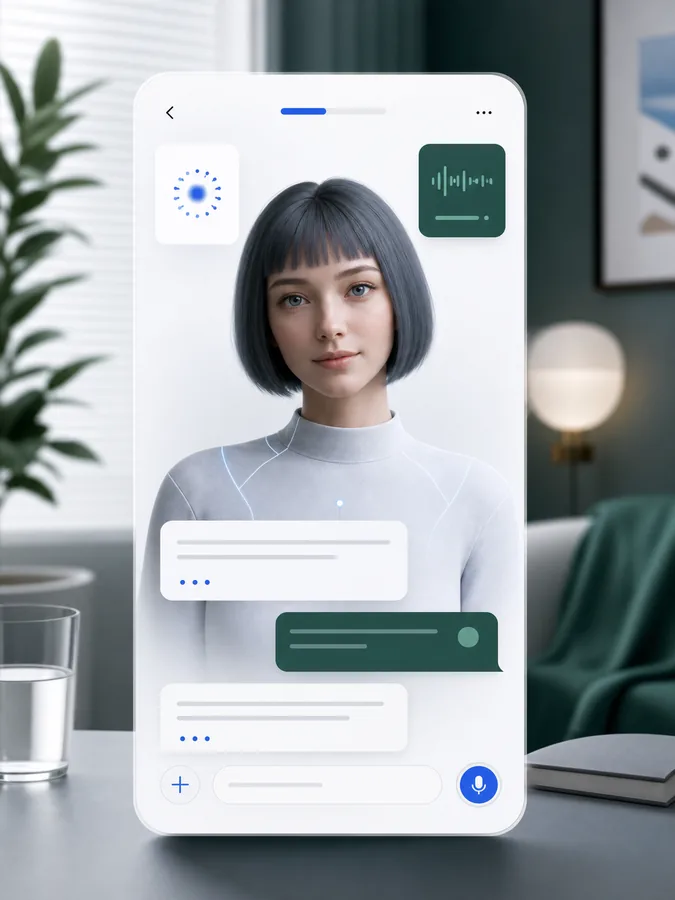
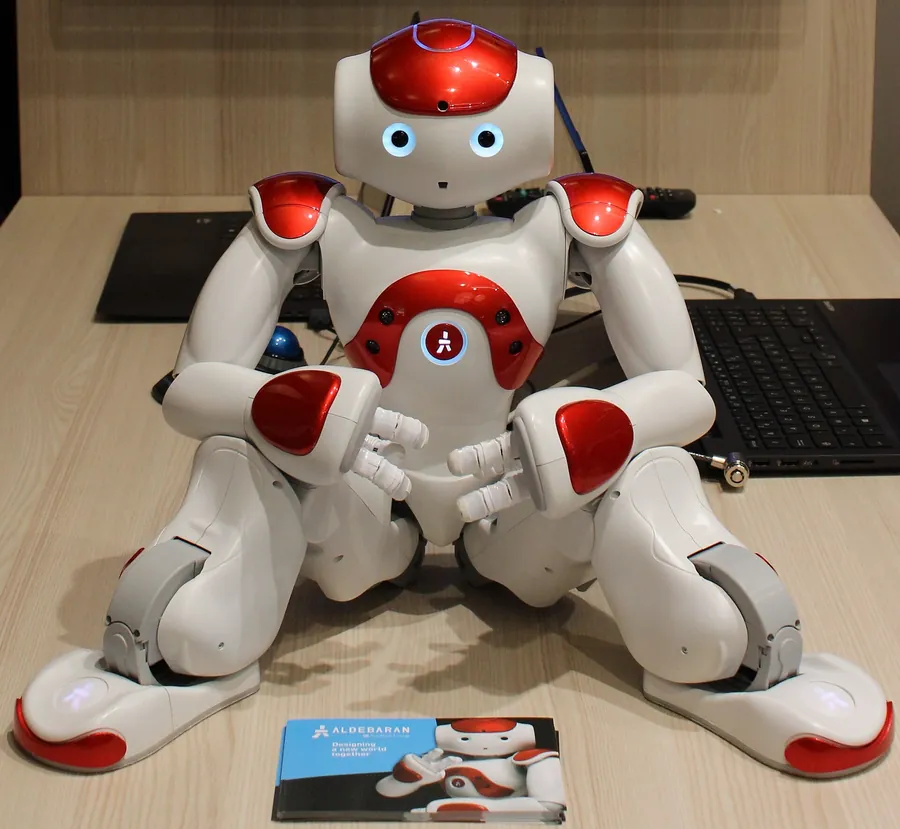
Robots, tutors, companions, influencers, care assistants, and shopping agents. None of them have lived a day but some still feel real enough.
When AI agents speak, sell, teach, and comfort, authenticity becomes an ontological problem and therefore a business problem.
AI built, trained, prompted, deployed. Efficient and scalable.
Consumers still decide whether they feel real enough to act on.

CMOs, policy makers, and deans are asking similar questions. How do AI personas enter their domains in an authentic way?
Synthetic Authenticity is tested across care, social robots, AI influencers, classrooms, shopping agents, and companion AI.
The threshold matters more than realism.
People keep checking the communicator.
Attention and authenticity move differently.
One viewer's suspicion becomes a shared cue.
Delegation moves judgment to approval.
Burdenless listening changes the exchange.
Saxena, P., & Prahl, A. (upcoming). The authenticity paradox: The threshold model of synthetic authenticity. International Journal of Human-Computer Interaction.
The foundational study. A map of 2,685 articles and 111 AI-persona studies shows where human cues help and where they start breaking trust.

Saxena, P., & Prahl, A. (manuscript under review). When the communicator is code. Human-Machine Communication.
This is the process behind the construct. People keep re-checking what kind of thing is speaking, and that quiet check decides what gets believed.

Saxena, P., & Prahl, A. (manuscript under review). The transparency tax on virtual influencer engagement. International Journal of Advertising.
Across 1,531 Instagram posts, AI disclosure lifted engagement 19.2%, yet lower felt authenticity appeared when the account leaned too hard on disclosure.

Saxena, P., & Prahl, A. (manuscript in minor revision). Collaborative persuasion knowledge: How doubt spreads around AI influencers. Journal of Advertising.
Public comment threads become forensic investigations. One viewer's private suspicion turns into the next viewer's public cue.

Saxena, P., & Prahl, A. (manuscript under review). When AI shops for you. Journal of Interactive Marketing.
Delegation does not remove judgment. It moves judgment to the moment people approve, override, or blame the agent for the choice.

Saxena, P., & Prahl, A. (manuscript under review). Burdenless listening in AI care markets. Journal of Marketing Management.
From 3,670 posts and reviews: people confide because the AI asks nothing back, and that same ease can make leaving feel like loss.

Frameworks and findings on AI disclosure, persona design, and public confidence. They are tested against reputation, policy, revenue, and pedagogy through regional commercial leadership, business-school classrooms, founder mentoring, and Southeast Asia briefing rooms.
Keynotes, conferences, and panels across Southeast Asia, translating Synthetic Authenticity research for marketing, comms, and policy audiences.


The same work in classrooms and accelerator rooms, where AI changes marketing pedagogy and startup judgment.


Every card below leads to thoughts covered in California Management Review, The Business Times, Forbes, LSE Business Review, I by IMD, and Research World.
Credibility. Transparency. Reputation.
I by IMDTrust becomes a system.
LSE Business ReviewCredibility beats personality.
Business TimesRisk shows up before the headline.
Research WorldThe most authentic one often does.
Forbes IndiaExecutive education as verification lab.
I by IMDSignal stacking changes the odds.
I by IMDFluency is not credibility.
Press and speakingBoards, agencies, faculties, and builders.